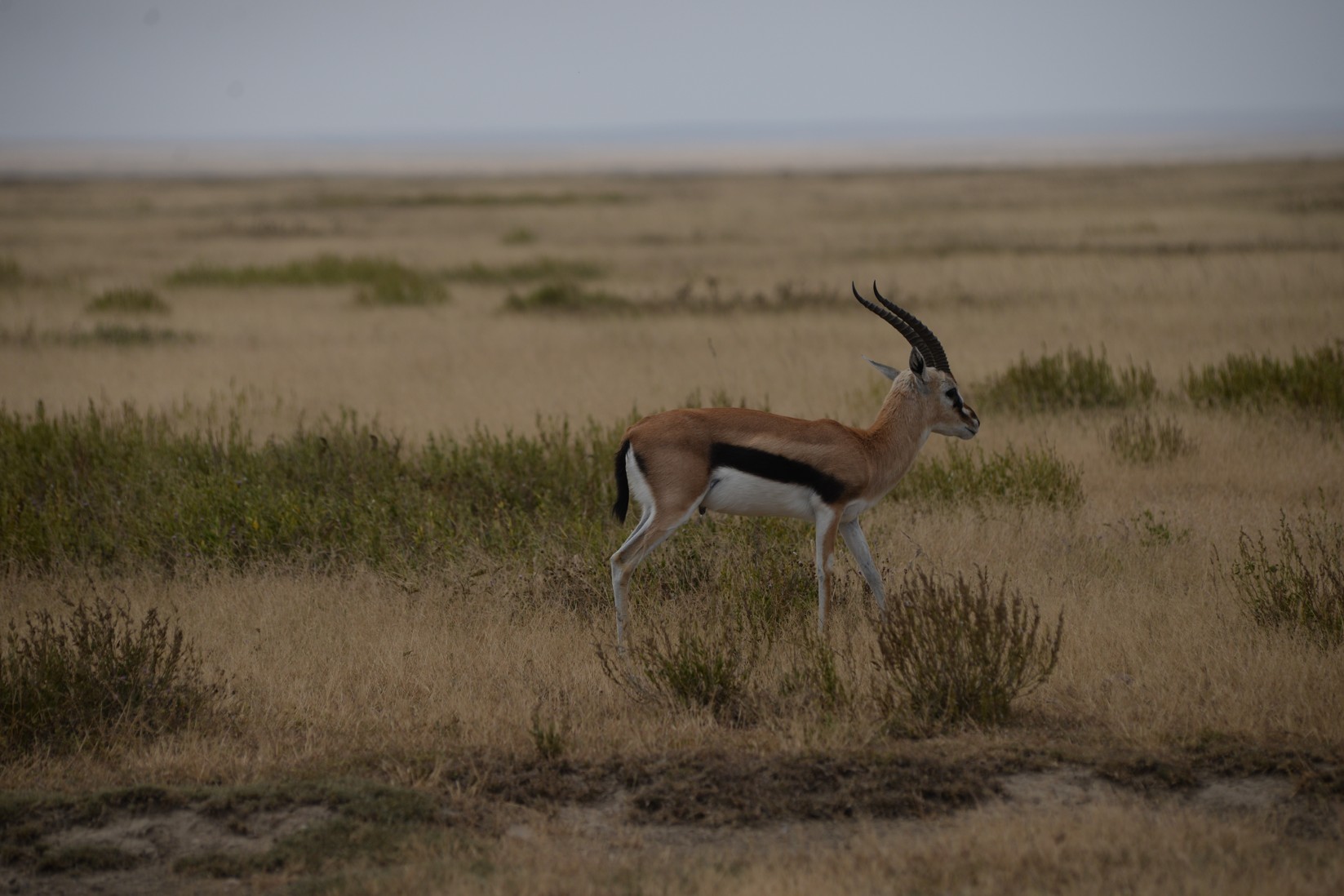
The Ngorongoro Crater is a unique geological feature located in the Ngorongoro Conservation Area, a protected area in Tanzania. It is the largest unbroken and unflooded caldera in the world, and it was formed over two million years ago when a massive volcano collapsed in on itself.
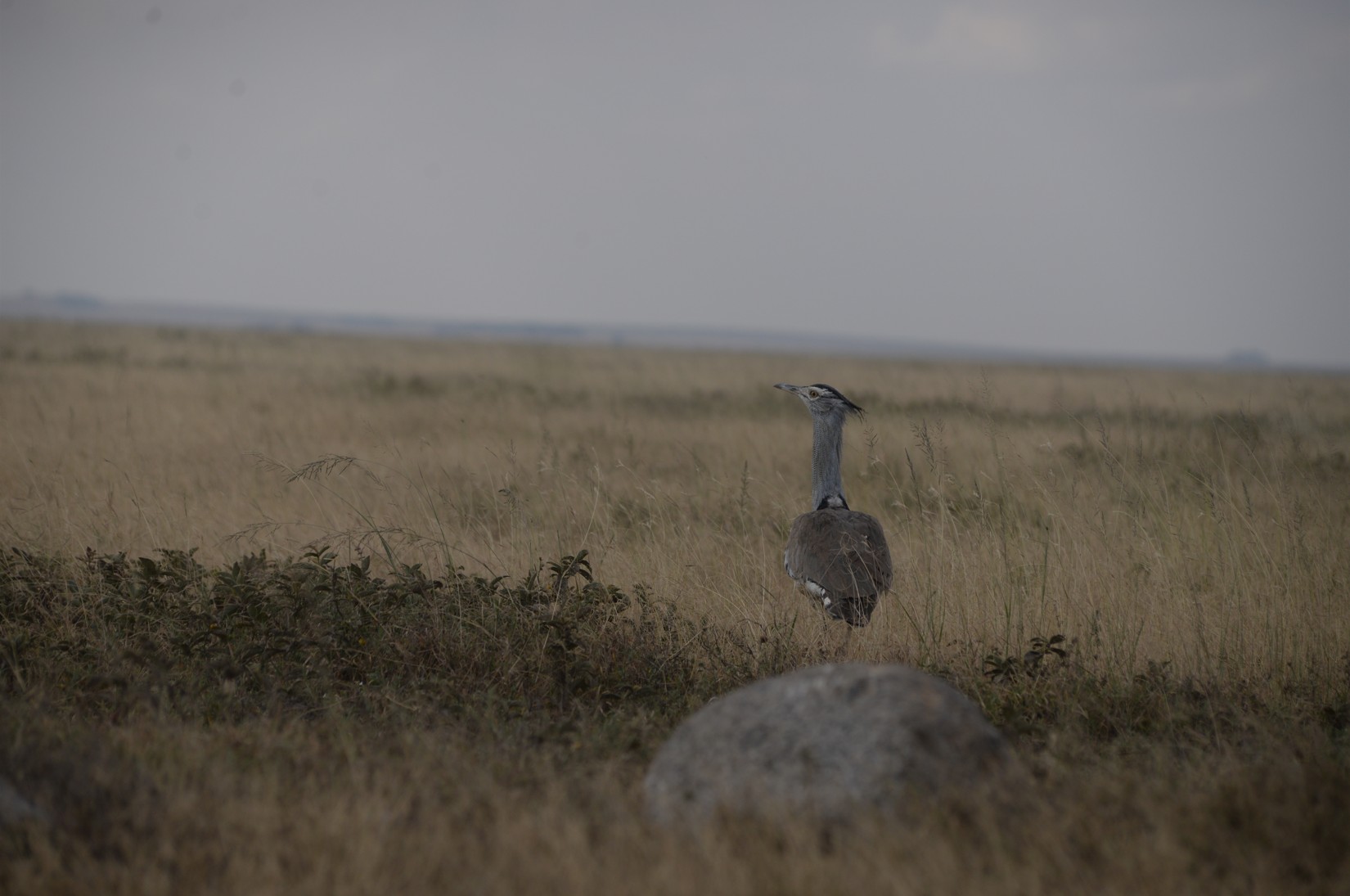
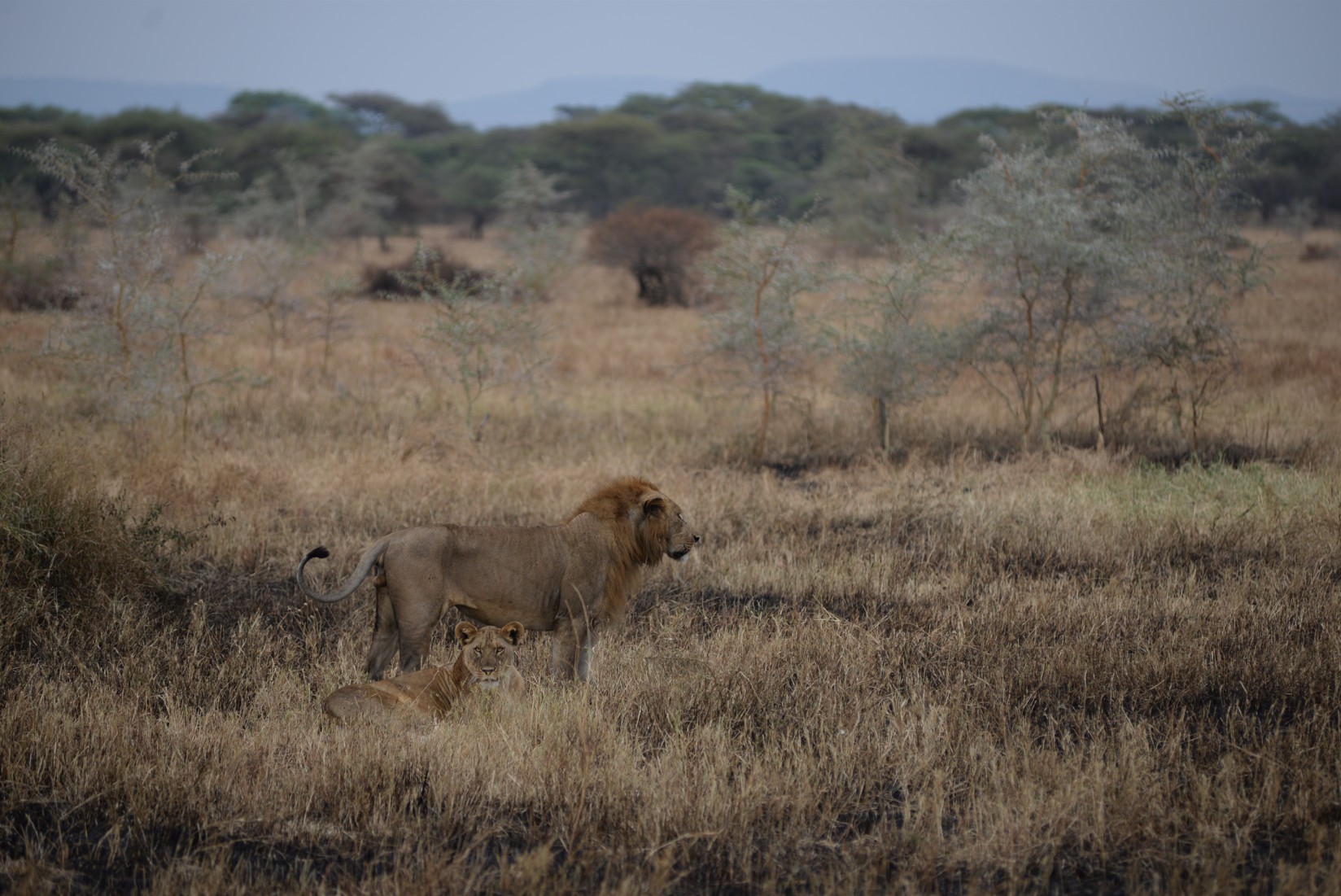
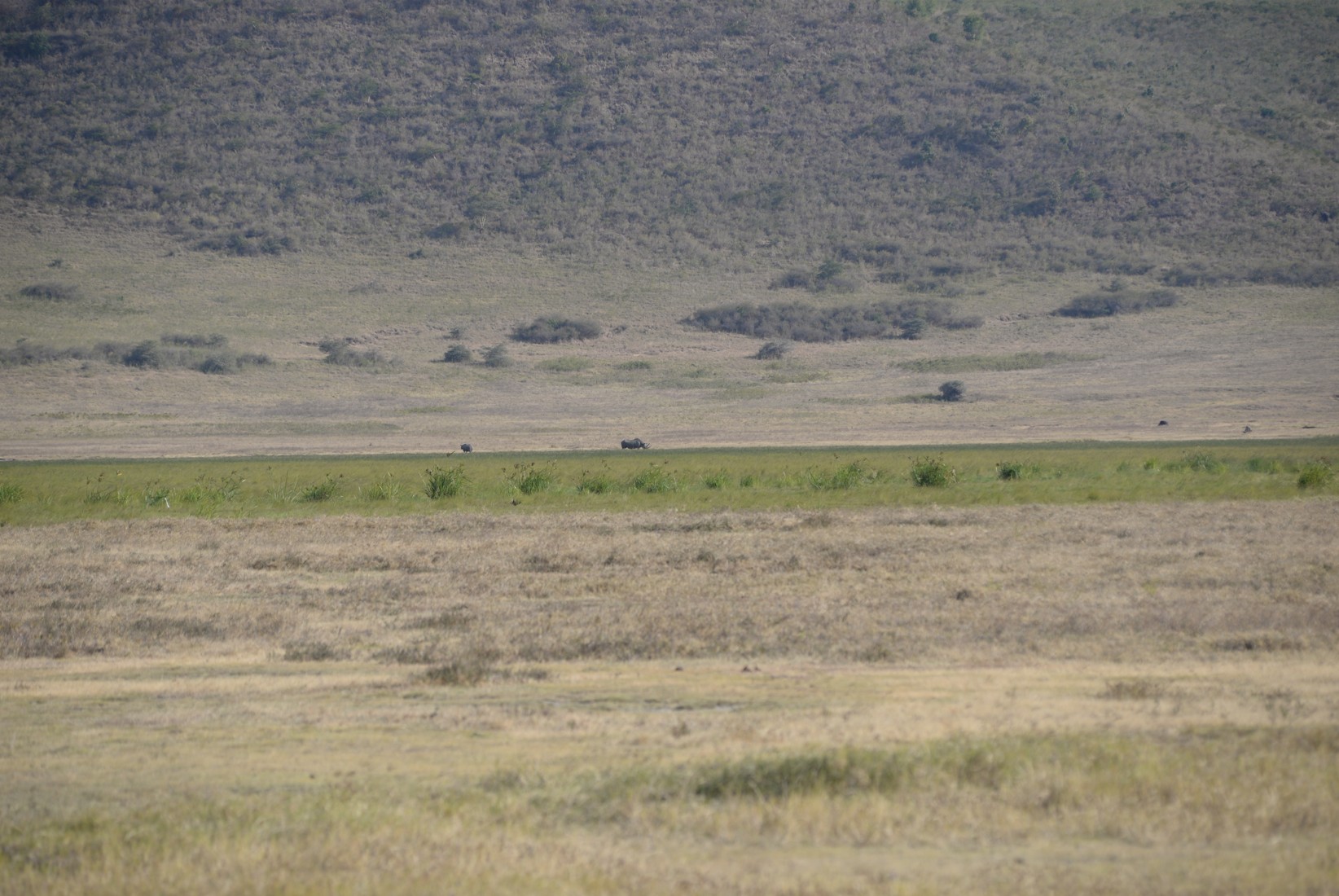
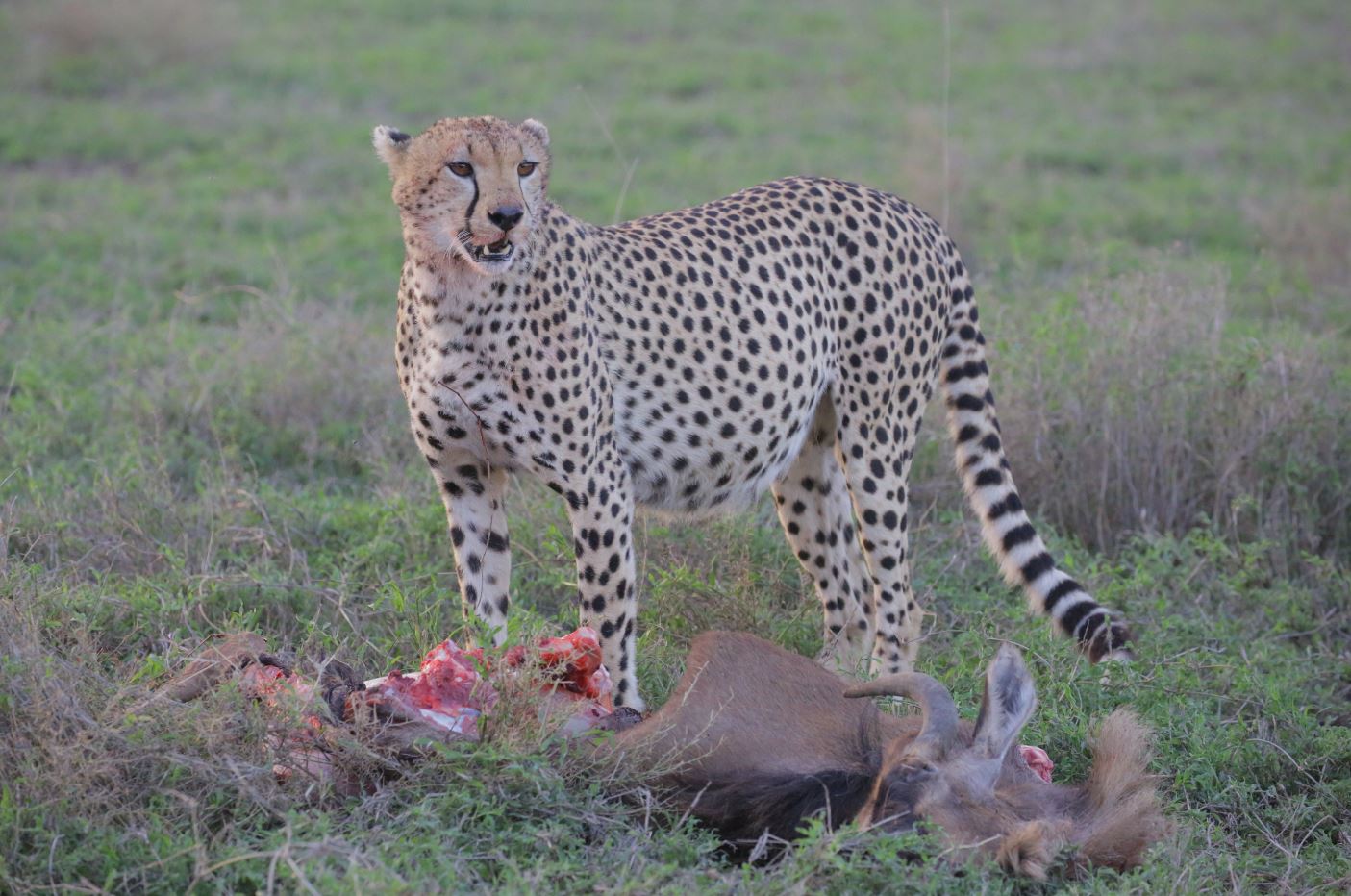
The crater is roughly 12 miles (19 kilometers) in diameter and its walls rise to a height of around 2,000 feet (610 meters). The crater floor covers an area of about 100 square miles (260 square kilometers) and is home to an astonishing variety of wildlife, including over 25,000 large animals such as elephants, lions, hippos, and giraffes. The crater is also one of the few places in Africa where visitors have a chance to spot the highly endangered black rhino.
The Ngorongoro Crater has a unique ecosystem that supports a diverse range of plant and animal life. The crater’s walls act as a natural barrier that helps to keep the wildlife within the confines of the crater, making it a natural enclosure. As a result, the animals in the crater are protected and have thrived for thousands of years.
The crater floor is mostly covered by grasslands, which provide food for the grazing animals such as wildebeest and zebras. The alkaline Lake Magadi is also found on the crater floor, which is home to large flocks of flamingos and other water birds.
Due to its unique landscape and abundant wildlife, the Ngorongoro Crater is a popular destination for safari tours in Tanzania. Visitors can take guided game drives on the crater floor to observe the wildlife in their natural habitat, and also take in the stunning panoramic views of the crater walls. Overall, the Ngorongoro Crater is a must-see destination for anyone interested in African wildlife and natural wonders.