1. Tanzania Offers the Most Complete Safari Experience in Africa
Many African countries offer great safaris. Only Tanzania offers everything in one destination.
In a single trip, travelers can experience:
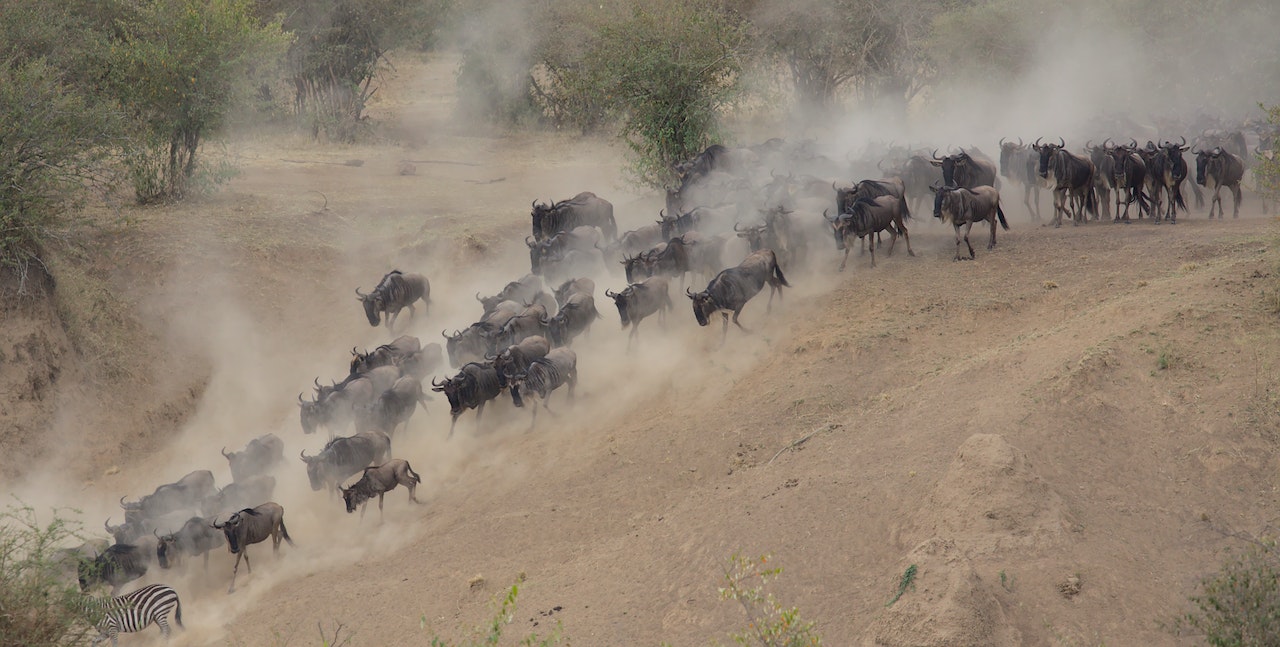
The Great Wildebeest Migration
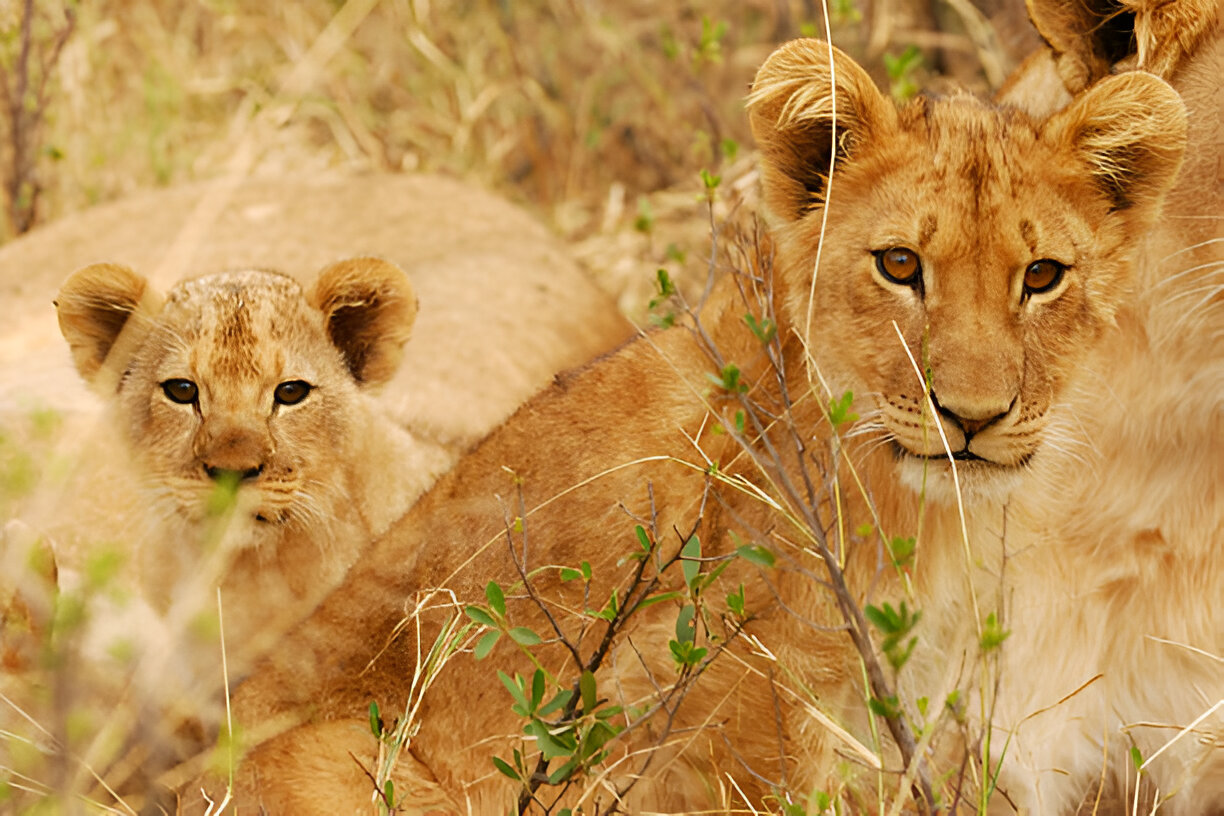
The Big Five
Vast open plains, volcanic craters, forests, lakes, and mountains
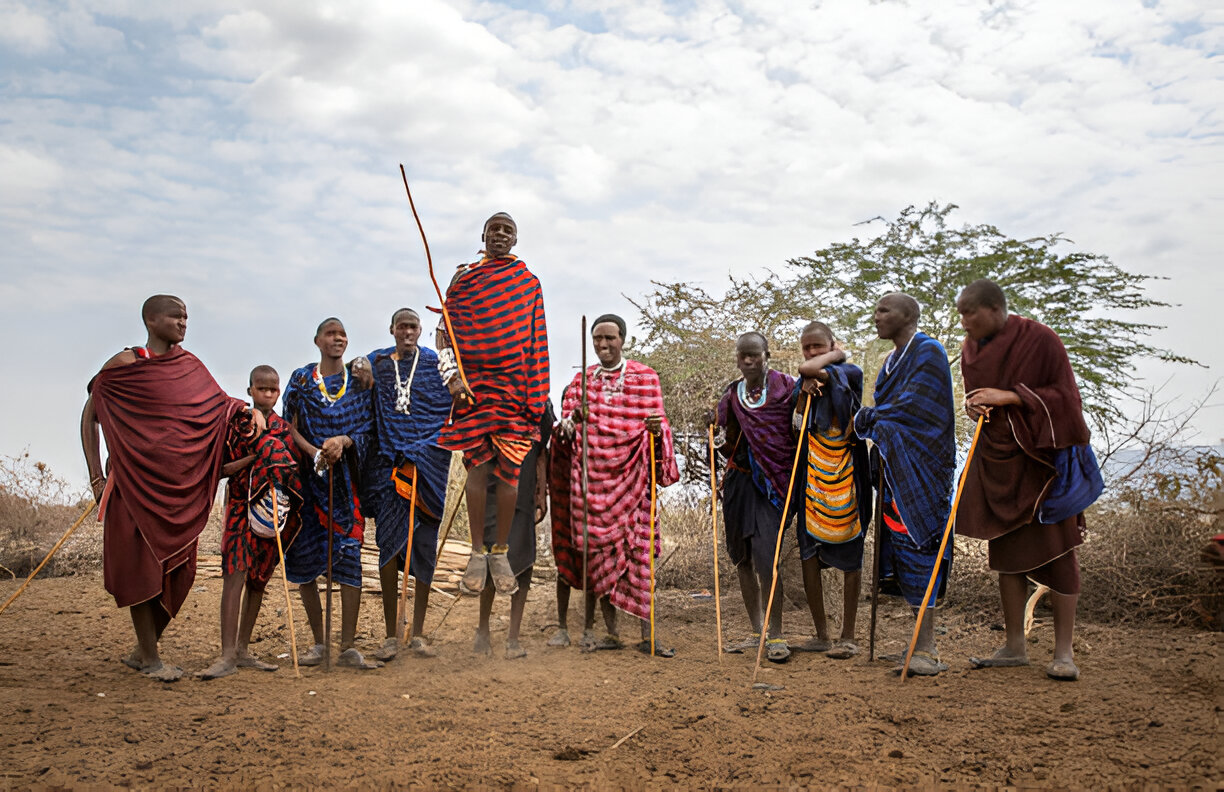
Cultural encounters with the Maasai and Hadzabe
A tropical island escape in Zanzibar
No other safari country combines wildlife, landscape diversity, culture, and beach holidays as seamlessly as Tanzania.
Key Advantage for 2026
Modern travelers want variety without crossing multiple borders. Tanzania delivers this better than any competitor.
2. The Great Migration: Tanzania’s Ultimate Competitive Advantage
The Great Wildebeest Migration is the single most powerful wildlife spectacle on Earth—and over 80% of it takes place in Tanzania.
In 2026, demand for migration safaris is expected to reach record levels due to:
Post-pandemic long-haul travel growth
Increased interest in wildlife documentaries
Social media exposure from photographers and influencers
Why Tanzania Wins
The migration starts, lives, and ends in Tanzania
Calving season happens in Ndutu (southern Serengeti)
Less crowded viewing compared to Kenya’s Maasai Mara
Larger protected ecosystem = more natural movement
For travelers who want authenticity rather than congestion, Tanzania is the clear winner.
3. Less Crowded, More Authentic Safaris
One of the biggest complaints about African safaris today is overcrowding. This is where Tanzania stands out.
Tanzania vs Other Safari Countries
Larger national parks = fewer vehicles per animal
Lower daily vehicle density in Serengeti compared to Maasai Mara
Remote areas like Nyerere (Selous) and Ruaha still feel untouched
In 2026, travelers are actively searching for:
“Uncrowded safaris”
“Private safari experiences”
“Authentic African wilderness”
Tanzania answers all three.
4. Improved Infrastructure & Accessibility in 2026
Tanzania has invested heavily in tourism infrastructure over the last few years, and the benefits are fully visible in 2026.
Key Improvements
Expanded regional airports (Seronera, Ndutu, Manyara)
Better road access to national parks
Increased domestic flight connections
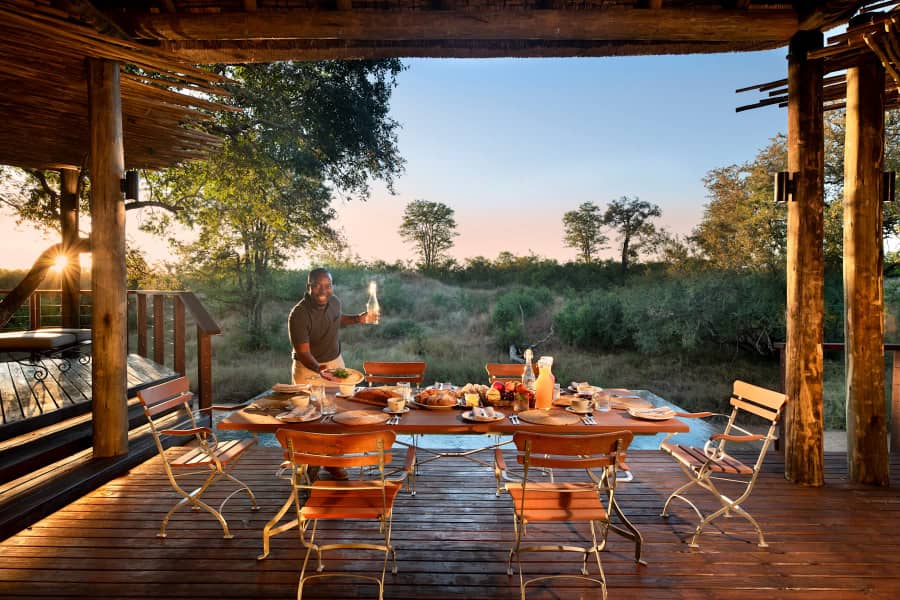
Improved safari lodge standards
Faster border and visa processes
These improvements mean:
5. Tanzania Is Safer and More Stable Than Many Travelers Realize
Safety is a top concern for international travelers—and Tanzania ranks among the safest countries in East Africa.
Why Travelers Feel Secure in Tanzania
Political stability
Strong tourism police presence
Well-established safari routes
Professional licensed safari operators
Parks are strictly protected and regulated
In 2026, travelers increasingly choose destinations that feel calm, welcoming, and organized—Tanzania fits this perfectly.
6. Exceptional Value for Money Compared to Other Safari Destinations
While Tanzania offers world-class wildlife, it often provides better overall value than competing safari countries.
Cost vs Experience
More wildlife sightings per day
Larger parks = longer game drives
Flexible accommodation options (budget to ultra-luxury)
Competitive park fees relative to experience quality
A well-planned Tanzania safari often delivers more wildlife, more scenery, and more variety for the same budget.
7. Rise of Local Safari Companies (and Why Travelers Prefer Them)
One of the biggest shifts in 2026 tourism is travelers choosing to book directly with local safari companies instead of international agents.
Why This Benefits Tanzania
Better pricing (no middlemen)
Real-time local knowledge
Faster problem-solving on the ground
Authentic itineraries, not generic packages
Direct contribution to local communities
Google also favors local expertise content, which helps Tanzania-based operators rank higher in search results.
8. Tanzania Leads in Conservation & Sustainable Tourism
Modern travelers care deeply about ethical travel. Tanzania is a leader in conservation-driven tourism.
Conservation Strengths
Strong national park protection laws
Community-based tourism projects
Anti-poaching initiatives
Regulated lodge development
Controlled visitor numbers in sensitive areas
In 2026, sustainability is no longer optional—it’s a decision factor. Tanzania aligns perfectly with this mindset.
9. Zanzibar Completes the Perfect Safari Holiday
Tanzania’s biggest advantage over most safari destinations is Zanzibar.
After days of game drives, travelers can:
Relax on white-sand beaches
Enjoy Swahili culture and cuisine
Explore Stone Town (UNESCO site)
Snorkel, dive, or simply unwind
This Safari + Beach combination is one of the most searched travel experiences for 2026—and Tanzania owns it.
10. Ideal for Every Type of Traveler in 2026
Tanzania works for:
Few destinations can serve such a wide audience without compromising quality.
11. Tanzania’s Photography & Filmmaking Advantage
For photographers and content creators, Tanzania is unmatched:
Open landscapes = clear sightings
Golden light in Serengeti plains
High predator density
Dramatic backdrops (Ngorongoro, volcanoes, lakes)
In 2026, visual storytelling drives travel decisions—and Tanzania photographs better than anywhere else.
12. Why 2026 Is the Perfect Year to Visit Tanzania
Several trends make 2026 a standout year:
Increased flight availability
High-quality lodge competition improving service
Travelers prioritizing once-in-a-lifetime trips
Better travel planning tools
Growing interest in Africa beyond traditional routes
Those who visit Tanzania in 2026 will experience it at its strongest point yet.
Frequently Asked Questions
Final Thoughts: Tanzania Is Not Just a Safari — It’s the Safari
In 2026, Tanzania is no longer competing quietly. It is leading.
With unmatched wildlife, space, authenticity, safety, and value—plus Zanzibar as the perfect ending—Tanzania stands above all other safari destinations in Africa.
If you are planning a safari in 2026, Tanzania is not just an option.
It is the benchmark.